Water Damage Restoration
Fast, Reliable, and Certified Water Damage Restoration Near You
When water damage strikes your home or business, every second counts. At Pure Aid Restoration, we specialize in emergency water damage restoration, helping you recover quickly and safely from leaks, floods, and other water-related disasters.
Why Choose Pure Aid Restoration?
- 24/7 Emergency Service: We respond any time, day or night, to prevent further damage and begin cleanup immediately.
- IICRC-Certified Technicians: Our experts are trained to industry standards for water extraction, drying, and sanitation.
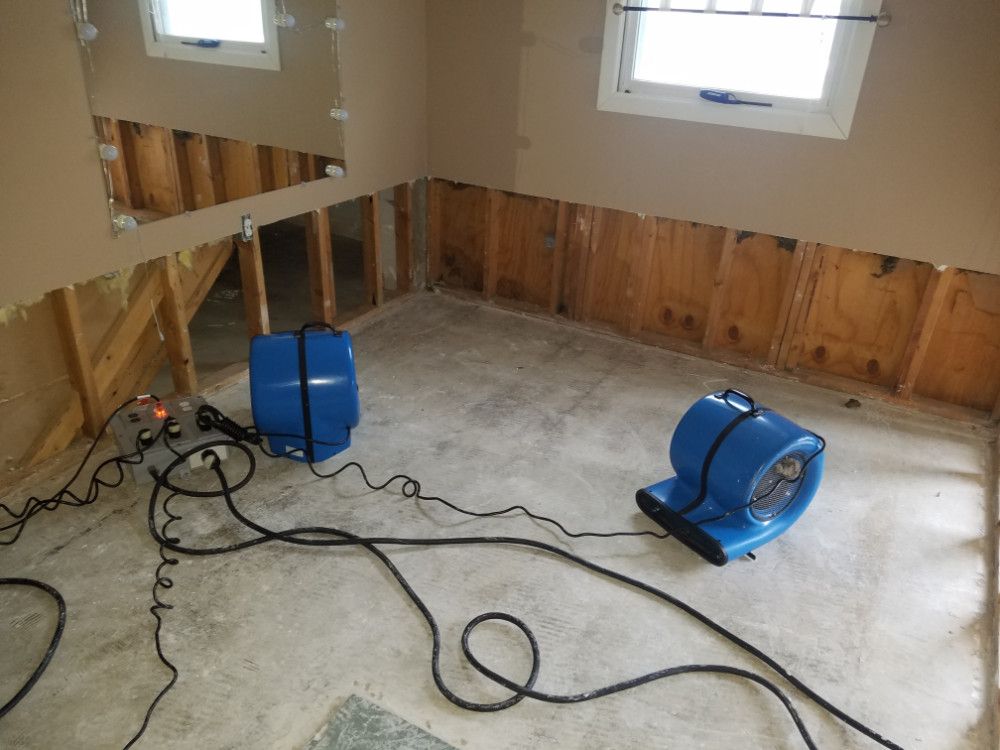
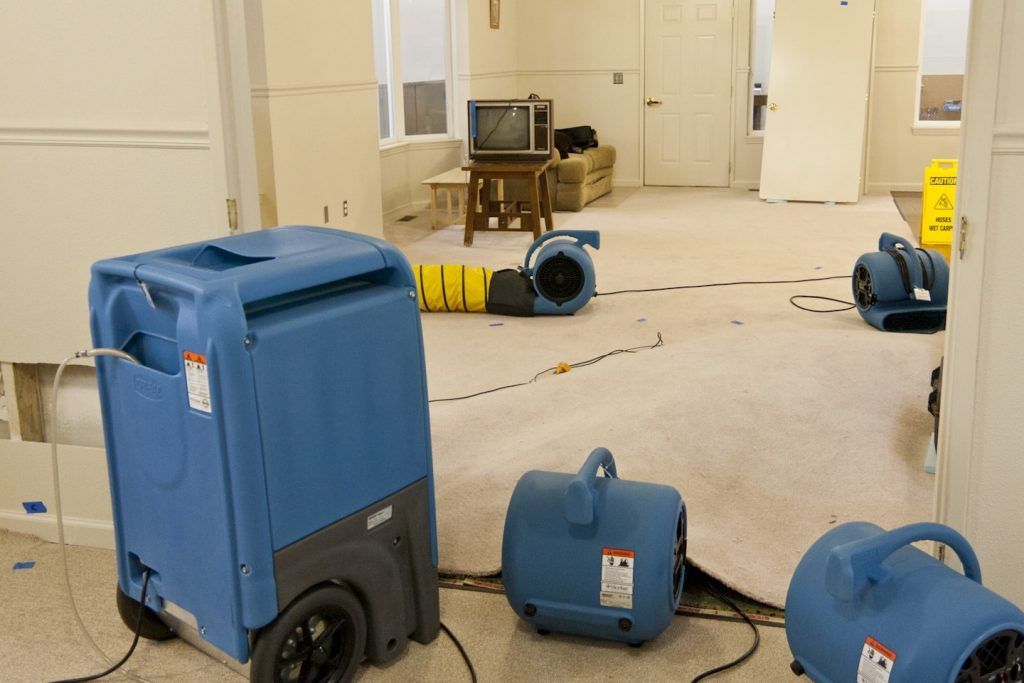
- Advanced Equipment: We use industrial-grade dehumidifiers, air movers, and moisture detection tools for thorough restoration.
- Insurance Assistance: We work directly with your insurance company for a smooth and stress-free claims process.
Our Water Damage Restoration Process
- Emergency Response and Inspection – Our team arrives promptly to assess the extent of water damage using advanced diagnostic tools.
- Water Extraction – Rapid removal of standing water prevents structural damage and mold growth.
- Drying and Dehumidification – We ensure your property is completely dried to industry standards.
- Cleaning and Sanitization – Our specialists clean all surfaces and treat affected areas to prevent bacteria and odor.
- Restoration and Repairs – From flooring replacement to drywall repair, we restore your property to pre-loss condition.
Common Causes of Water Damage
- Burst or leaking pipes
- Roof or foundation leaks
- Flooding and storm damage
- Overflowing sinks, tubs, or toilets
- Appliance malfunctions
Get a free quote
Contact Us
Event Venues
Installation and maintenance
How it works
Step 1: Initial Inspection and Assessment of Damage
- Asses the damaged area and determine the proper equipment required to address the problem. We ensure our customers receive the most cost-effective recommendation.
Step 2: Water Removal and Extraction
- Utilize portable or truck-mounted water extracting equipment to completely remove the majority of the water from the affected facility.
Step 3: Apply Anti-Microbial
- Apply an EPA-registered anti-microbial substance to water affected surfaces throughout the drying process in order to prevent future mold growth.
Step 4: Drying and Dehumidification
- Utilize a rapid drying fan evaporation process with portable dehumidification and desiccant drying equipment. The combined technology ensures safe and complete drying of the affected area.
Step 5: Monitoring
- Continuously monitor the drying and decontamination process, employing moisture content reading technologies that constantly measure changes to the water damaged materials.